See the latest Newsletter Here!!
(Opens in a new window)
Become a member today... For a Freelancer join here, for an Organisation join here! :)
See our 'Features' and 'Interviews' pages for stories from around the wildlife, natural history, conservation, environmental and Vegan film-making world! GotKit to sell? Add your items here! (NB. Members post for free!) Looking for work or got something to offer... Visit our Jobs Page.
WildBear Entertainment principal and natural history filmmaking pioneer Bettina Dalton passes away
Bettina (Tina) Dalton, an executive producer, filmmaker and principal for Australian factual prodco WildBear Entertainment, has passed away after a short illness.
Dalton, whose production credits over a three-decade career have included such feature docs as the Sundance-premiering Every Little Thing and Playing with Sharks, passed away on the Sunshine Coast of Queensland on Monday (August 24).
Born and raised in the town of Bli Bli, Dalton’s first taste of a life in television came after university, via an on-screen role as ‘Ranger Tina’ in Mark Lewis’ film Cane Toads: An Unnatural History. Her first job as a producer came through the children’s environmental series Bushbeat, which she also presented. From there, she went on to work with legendary naturalist Sir David Attenborough on the 1990 series The Trials of Life, and in 1992, joined the team on Nine’s popular travel show, Getaway, as one of its presenters. She appeared on recent editions of the program as well, for episodes about Antarctica and Greenland.
In 1998, her focus moved to producing and filmmaking, establishing Absolutely Wild Visuals with Gary Steer and establishing a reputation as a pioneer for women in natural history television and film. Beyond creating its own productions, the company, which eventually rebranded as Content Mint, also sold wildlife footage shot by Australian filmmakers and is now one of the largest wildlife footage libraries in operation.
In 2010, she established the prodco Wild Fury and served as co-managing director with fellow filmmaker Veronica Fury. In 2014, Wild Fury and Content Mint merged with Bearcage Productions, run by Michael Tear and Serge Ou, and WildBear Entertainment was born. Dalton took on the dual roles of executive producer and principal, and today, WildBear is known as Australia’s largest independent factual studio, with a staff of more than 100 producing a wide range of content for domestic and international buyers.
Dalton’s many TV credits include such productions as Boss Croc, King Kangaroo and Dolphin Dynasty for National Geographic, Australia’s Hidden Islands for Love Nature and Bushfire Animal Rescue for ADF/Arte, ZDFE, PBS ‘Nature’ and SBS Australia.
Michael Tear, CEO at WildBear Entertainment and a longtime friend and colleague of Dalton’s, paid tribute to the woman he saw as one of the natural history genre’s “brightest stars and strongest advocates.”
“Clever, creative, visionary and great fun, Tina was a supportive and inspirational colleague who played a major part in putting WildBear Entertainment on the map,” he added. “She will be sorely missed by our team, as well as by the extensive international network that she had fostered throughout the industry. But she was also so much more than a colleague and co-principal of the business; she was a dear friend and will leave an unfillable gap in my life.”
Writer, teacher and naturalist who explored the effects of the natural world on neurodivergency
The writer, teacher and naturalist Joe Harkness, who has died aged 39, was an inspiring advocate for the role that wild nature can play in alleviating depression and helping all minds, but especially neurodivergent ones, find joy and peace.
His first book, Bird Therapy (2018), was a notable success from a new generation of authors who found readers online and crowdfunded their publication via the now defunct Unbound. In Bird Therapy, Harkness told the story of his own breakdown, near-suicide and subsequent recovery through watching birds near his home in rural Norfolk.
Readers responded to his honesty and heartfelt practical advice, as well as the obvious pleasure he found in nature. “In that moment, watching the flock of finches, I was allowing myself to become lost and absorbed in the sights in front of me,” he wrote.
“I started to notice that when I was out, on my own, experiencing nature and birds in a personal and intimate way, I was more relaxed than I’d ever been before. My breathing rate slowed and I closed my mind to repetitive thoughts and worries. My only focus was observing birds and learning about them. I was losing myself in birds, in a positive way.”
Following the success of the book, Harkness continued his day job as a teacher of pupils with significant learning disabilities. In 2025, he published Neurodivergent, By Nature, an original and deeply researched exploration of neurodivergency and the natural world sparked by a belated diagnosis of attention deficit hyperactivity disorder (ADHD).
BBC Studios Seeking Natural History Unit Chief As Jonny Keeling Moves To Creative Director
BBC Studios is seeking a new head for its world-famous Natural History Unit (NHU), maker of Planet Earth III and The Americas, with Jonny Keeling segueing to Creative Director.
BBC Studios will begin the recruitment process immediately, with Keeling continuing in post until the transition takes place in 2027.
Keeling has been running the studio since 2021 and will remain with BBC Studios, focusing on program-making, creative leadership and some NHU projects. His past five years have seen the NHU make shows for the BBC, streamers and U.S. networks including Frozen Planet II, Planet Earth III, Asia, Mammals, Kingdom, Dynasties II and The Americas with Tom Hanks.
His new role will see him work closely with Mike Gunton, the veteran NHU Creative Director, who has an enviable list of natural history credits. He will remain part of the NHU’s senior leadership team alongside Sreya Biswas, Director of Programmes, Juli Porter, Director of Commercial and Operations, and Maria Norman, Head of Production.
Bill Oddie, naturalist and broadcaster, dies aged 85
Coming to fame in The Goodies, Oddie was later known for his wildlife expertise and presented BBC Springwatch.
The writer, comedian and conservationist Bill Oddie has died aged 85. Having come to prominence with the comedy group The Goodies, Oddie later established himself as an authority on wildlife, presenting television series including the BBC’s Springwatch and Autumnwatch.
Oddie’s agent paid tribute to his “intelligence and wit”. In a statement, David Foster said: “It is with deep sadness that I announce the passing of Bill Oddie, the country’s best-loved birder. Bill was a multitalented celebrity – wildlife presenter, broadcaster, comedian, writer, songwriter, musician and conservationist. Yet it was never fame that he valued.
“Instead he encouraged us to respect and protect the environment. He taught us the wonder of it. He protested, lobbied and campaigned for it. He led the way and people of all ages and backgrounds responded to his call. And such a massive contribution to conservation will never be forgotten.
“As Bill’s agent I witnessed close-hand his intelligence and wit. He was my friend and it was an honour and a privilege to represent him for so many years. I will miss him terribly. My thoughts and love are with Bill’s wife, Laura, and his daughters Bonnie, Kate and Rosie, who have asked not to be contacted at this sad time. Please respect their wishes.”
Two aspiring wildlife presenters have started their own YouTube series aimed at celebrating nature in the West Midlands.
Ryan Eddowes, from Wolverhampton, and Adam O'Hare, from Birmingham, said they wanted to the spread the word about the benefits of seeking out nature on your doorstep in their Wild West Midlands films.
The friends have been working on their second short film in Pendeford Nature Reserve, near Wolverhampton.
"It's really important for people to know about these places, these hidden gems," Eddowes said.
"People that work in retail and businesses and things that don't really connect with nature in that way, that they can actually, in their break times, go outside for five or 10 minutes and realise what nature is all about," he added.
We Love David Attenborough, So Why Don’t We Listen to Him?
The esteemed TV naturalist has been widely celebrated as he reaches his 100th year, but his warnings about climate and biodiversity loss are being ignored.
Sir David Attenborough is beloved. The esteemed natural historian recently topped a list of the U.K.’s favorite “national treasures,” people who are so respected for their contributions to the country that the individual is no longer considered a mere person, and has become a kind of institution. At his recent 100th birthday celebration, tribute was paid to Attenborough by Barack Obama, King Charles III, Leonardo DiCaprio, and even Paddington Bear. His centenary received coverage across international media, with the New York Times noting he is “perhaps the world’s most celebrated naturalist.” (Never mind “perhaps.” What other naturalist comes close?)
Attenborough has earned that love largely by producing a remarkable series of television programs and books which all serve a single purpose: showing how extraordinary the natural world is, and teaching people about how it works. Attenborough has been staggeringly prolific, having served as a writer, presenter, narrator, or producer in over 150 wildlife documentaries, some of which contain dozens of individual episodes.
Of course, Attenborough’s degree of involvement with each film varies—some he only narrated, while others he also wrote and produced. But any way you look at it, it is a stunning filmography, especially considering that all those I mentioned have been released since Life On Earth, which itself came out when Attenborough was 52 years old. The amount of labor that could go into a single series is staggering. Life on Earth was filmed across 100 locations over 3 years, requiring input from 500 scientists.
Benedict Cumberbatch-Narrated Doc ‘How to Live on Earth’ Sets September Release
“How to Live on Earth,” a feature documentary from Open Planet Studios and narrated by Benedict Cumberbatch, is set to premiere Sept. 20 on YouTube.
Presented from London’s Natural History Museum, the film consists of segments from different contributors focusing on how humans can work with nature to build a safe and thriving future.
Main contributors on the film include climate justice activist Xiye Bastida; field biologist, wildlife filmmaker and explorer Dan O’Neill; and former White House chef and senior policy advisor on nutrition Sam Kass.
“We created ‘How to Live on Earth’ to be a catalyst for a much bigger conversation about our relationship with the natural world,” said Jonnie Hughes, executive producer and co-founder of Open Planet. “We’ve seen a growing appetite for hopeful stories that give people optimism and agency, and the global premiere on YouTube is a chance to turn that momentum into a truly shared moment.”
The film’s premiere on YouTube is accompanied by the debut of “Chapter 4,” an original end credit track written, produced and performed by Imogen Heap.
The landmark 20th International Wildlife Film Festival GREEN SCREEN
is locked in to take over Eckernförde, Germany, from September 9–13, 2026
. As one of Europe's most popular natural history industry gatherings, this year's anniversary edition is shaping up to be a massive celebration of the genre.
What to expect at the 20th Anniversary Edition:
• Global Talent Gathering: Over 200 international wildlife filmmakers, directors, and producers are scheduled to attend, alongside thousands of public nature film enthusiasts.
• High-Stakes Pitching: The professional track will feature highly anticipated pitching sessions, giving independent creators a direct line to present upcoming projects to major international commissioning editors and broadcasters.
• Diverse Screenings: A massive program of nature documentaries will compete across established categories, including the Newcomer Award and the prestigious Heinz Sielmann Film Award.
• Youth Engagement: The festival will concurrently host its dedicated Naturfilmcamp and youth competitions to foster the next generation of environmental visual storytellers.
The 32nd edition of the Festival International Nature Namur runs from October 10-18th 2026.
Centred at Le Delta and the Citadelle de Namur in Belgium, the nine-day event showcases a competitive line-up of 34 professional films and 15 amateur films. Alongside the theatrical screenings, the event features specialized nature photography exhibitions, outdoor activities, and the Village Nature public space.
The competitive tracks will culminate with live audience voting to determine the top picks at the annual Amateur Film Gala.
Final screening sessions and event tickets can be secured directly through the official FINN Festival website: festivalnaturenamur.be
WFFR 2026 Launches Full Programme and General Ticket Sales
General ticket sales have officially opened for the 12th edition of the Wildlife Film Festival Rotterdam (WFFR), following the conclusion of its early-bird ticket window.
The full festival programme was unveiled on October 4 (World Animal Day), locking in a slate of 60 nature films, professional workshops, and public screening blocks running from November 2 to November 8, 2026.
The festival's primary theatrical screenings return to the Cinerama Filmtheater and LantarenVenster in downtown Rotterdam. Following the main run, WFFR expands to its regional satellite windows at Visum Mundi in Wageningen (November 11–15) and Cinecitta in Tilburg (November 18–22). A geoblocked online streaming portal will also operate within the Netherlands from November 3 to December 5, 2026.
2026 Theme: Living with Wildlife
This year's central programming theme, "Living with Wildlife" (Samenleven met wilde dieren), investigates the increasingly complex cohabitation between humans and non-domesticated species in urban, industrial, and suburban environments. Key features anchoring this theme include the world premiere of the opening night film Wildgemis (directed by Anouk Suntjens), as well as Wild London (featuring Sir David Attenborough and directed by Joe Loncraine), No Shade in the Forest, Derek vs Derek, and Coexistencia. Interactive post-screening Q&As will accompany these selections to debate human-animal relationships. Other notable film highlights locked into the 2026 slate include Penguin Baywatch and Snow Leopard Sisters.
WFFR Lokaal Regional Initiative
Operating from October 1 to November 8, 2026, the third edition of the WFFR Lokaal initiative brings community nature screenings to 26 distinct locations across the broader Rotterdam region. The programme launched on October 1 at Trompenburg Arboretum & Tuinen with the European premiere of The Ancient Forest, paired with a public forest-bathing experience. Additional local pop-up venues include Natuurstad’s urban farm locations, featuring a World Animal Day screening of Wild London at the Botanische Tuin Kralingen.
Industry Days & Flamingo Awards
The professional WFFR Industry Days will take place on Friday, November 6 and Saturday, November 7, 2026, anchored at the Natural History Museum Rotterdam. The specialised itinerary features masterclasses, panels, and networking events.
• The Pitch Sessions: Scheduled for the afternoon of Friday, November 6, this event allows filmmakers to present in-development projects directly to international broadcasters, distributors, and commissioning editors. The final deadline for project submission is October 15, 2026.
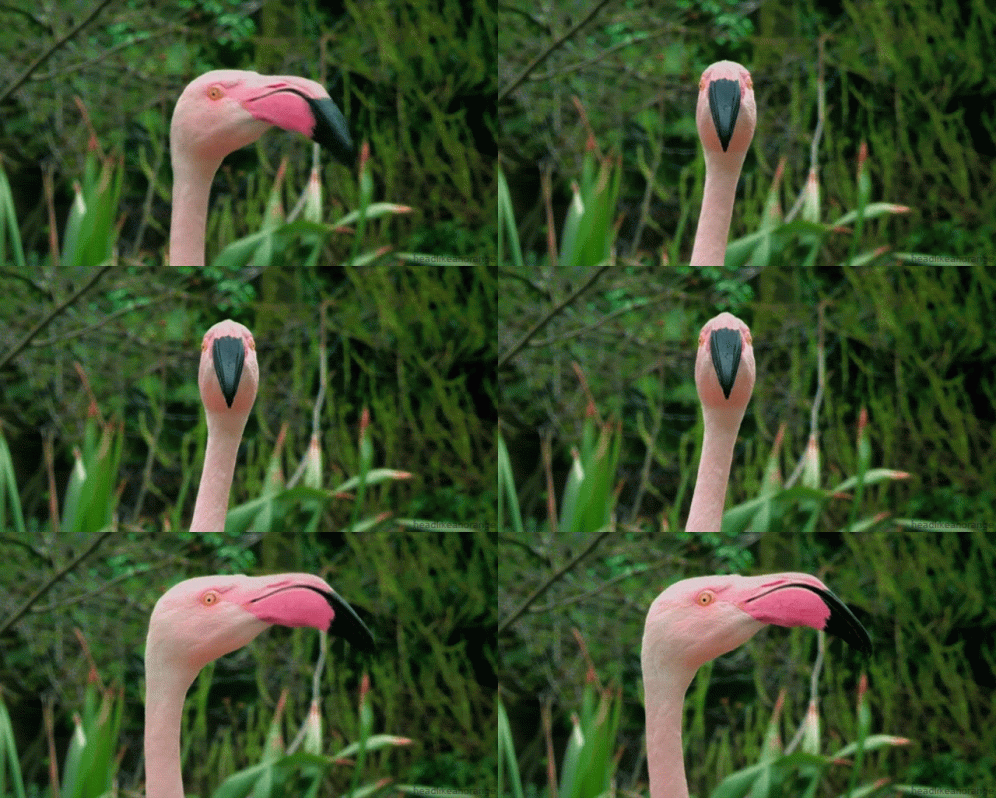
• The Flamingo Competition: The annual festival jury features five industry and media figures: Humberto Tan, Natascha Hokke, Evert van den Bos, Chris Vemer, and Peter van Rodijnen. The winners across 11 competitive award categories will be presented during the official Flamingo Award Ceremony on the evening of Saturday, November 7.
Filmmakers and attendees can explore full programmatic updates and secure industry passes or general tickets directly via the official WFFR Festival Shop: wffr.nl
35th Environmental Film Festival in the Nation's Capital (DCEFF)
Submissions are officially open for the milestone 35th Anniversary Edition of the premier environmental storytelling showcase in Washington, D.C., running from April 8–17, 2027 .
Operating under the creative theme Eyes Open: 35 Years of Witness & Wonder , the festival is seeking features and shorts centering on climate change, conservation, and environmental justice issues.
Key upcoming deadlines and dates to mark in your diaries:
• December 4, 2026: Regular Submissions Deadline (Fees: $75 Features / $55 Shorts)
• February 15, 2027: Official Selection Notification Date
• April 8–17, 2027: 35th Anniversary Festival Event Dates
Abbeville´s Festival de l'Oiseau et de la Nature 2027 is OPEN FOR ENTRIES!
Since 1991, the Bay of Somme has been celebrating the return of spring and birds through the Bird and Nature Festival every year.
Whether you are a professional or an amateur filmmaker, share your latest wildlife documentaries, focusing on birds, of course, but also on any other wildlife species or addressing environmental issues with our audience, revealing both the wonders of the natural world and the threats facing it.
Selected films will be shown in public screenings by the Jury in April 2027 durring the event.
The winners will be revealed on the Awards Night on Saturday, April, 24th, 2027.
All selected filmmakers will be invited to join us in Abbeville.
“I screamed before the rest of it came into the screen.” Deep-sea scientists film rare creature deep in Pacific Ocean
The elusive animal was filmed swimming near an underwater mountain off the coast of California
When deep-sea researchers were surveying the Californian seafloor, approximately two miles underwater, an elusive creature emerged from the gloom.
“I was sitting right next to the screens in the control room when I saw what looked like tentacles coming into the top corner of the video,” says Olívia Soares Pereira, an MBARI (Monterey Bay Aquarium Institute) postdoctoral fellow.
“I thought it might be a cool jelly, but as soon as the little ‘elbows’ appeared, I knew exactly what it was and immediately screamed ‘Magnapinna!’ before the rest of the squid even came into the screen. It was incredibly exciting!”
Twenty years after his death, Steve Irwin’s legacy lives on through continued boots-on-the-ground croc fieldwork and global conservation projects.
Few, if any, can match the ebullience and unaffected charm of the late Steve Irwin, the legendary conservationist, zookeeper and wildlife educator who straddled the worlds of conservation and pop culture. Steve’s larger-than-life personality and infectious enthusiasm enthralled millions, but beneath the showmanship was an earnest environmentalist whose unwavering commitment to wildlife remained unchanged by his celebrity. Twenty years after his untimely death, the continuing influence of his work speaks for itself.
Born on 22 February 1962 to Lyn and Bob Irwin, Stephen Robert Irwin spent his early years in Upper Ferntree Gully, Melbourne, before the family relocated to Beerwah on Queensland’s Sunshine Coast. His parents opened Beerwah Reptile Park in 1970, a small 0.8ha sanctuary caring for orphaned and injured wildlife. Growing up surrounded by animals, Steve inherited his parents’ passion for wildlife; at age 6, he caught his first venomous snake, a common brown, and by age 9 was helping to wrangle small crocodiles, jumping from a boat ramp and wrestling them into a dinghy.
By the time Steve was 18, the reptile park had doubled in size and was renamed Queensland Reptile and Fauna Park. His experience handling crocs saw him spend months at a time in remote parts of Far North Queensland, catching ‘problem crocodiles’ – animals that posed a danger to humans – for the Queensland Government. During this time, Steve developed capture-and-release techniques that avoided the need to tranquilise crocodiles and are still used by researchers today.
Marking the 20-year anniversary of when the world lost one of its most passionate wildlife conservationists, a documentary special, Steve Irwin: A Wild Life, will premiere on Wednesday, September 2, at 8.45pm on Channel 9 and 9Now.
Jeff Corwin to Return to Television With Wildlife Conservation Series ‘Jeff Corwin’s Southern Wild’
Jeff Corwin is making his return to national television this fall with the wildlife conservation series, “Jeff Corwin’s Southern Wild.”
Premiering on Oct. 3 on ABC stations nationwide, the series is filmed across North Carolina and explores the wildlife and local cultures spanning from the Appalachian Mountains to the Atlantic coast. Throughout the journey, the conservationist, television host and executive producer encounters black bears, alligators and native fish while documenting active wildlife rescue and conservation efforts.
“North Carolina is an extraordinary place to tell stories about wildlife,” Corwin said. “But what excites me most about Southern Wild is that we’re not only encountering incredible animals — we’re meeting the people who have dedicated their lives to understanding and conserving them and working alongside students who will carry that mission into the future.”
Super Nature review – crowd-sourced Super 8 film is a triumphant collage of hope for the natural world
Film-maker Ed Sayers’ project gathered footage from collaborators all over the world, cleverly edited to combine human and animal contributions
This delightful, fleet-footed film represents a labour of love both for its writer-director-producer-editor, Briton Ed Sayers, and his many, many collaborators who shot the footage on the old-school analogue format Super 8 all over the world. Between them they’ve used decades-old rigs in newfangled setups with film stock that, like several of the species seen here, would have gone extinct had it not been for the intervention of enthusiasts.
The brief from Sayers was simply to film nature, so we get shots of all manner of flora and fauna, ranging from coral reefs to high deserts, places populated by minute bugs all the way up to whales. As they come in pre-loaded cartridges, Super 8 reels can only capture a few minutes’ worth of film, and so this must have been a fiendishly complex puzzle in the editing room; all credit to Sayers not just for his own lovely footage and clever vision but for his nimble collaging of the whole thing together.
Nat Geo sets premiere for “Lion” from EP Jon Favreau
National Geographic has set an August 19 premiere for its wildlife series Lion, executive produced by blockbuster filmmaker Jon Favreau (Iron Man, the live-action Lion King) and BBC Studios Natural History Unit creative director Mike Gunton, with episodes streaming next-day on Disney+ and Hulu.
The four-part event series is narrated by O.J. Lynch, who played Mufasa in the stage production of The Lion King. It follows the four-year journey of a lion cub named Kio and echoes the themes of the beloved Disney animated film. The docuseries also features a score by composer Hans Zimmer (who won the Academy Award for his original Lion King score), Niccolò Pacella and George Hutson Warren for Bleeding Fingers Music.
According to a release, the project marks the first natural history production to document a lion’s complete journey from cub to king. The crew, including local Kenyan filmmakers, logged nearly 1,400 filming days across 52 shoots, the most time ever spent in the field exclusively following a single lion pride.
From “The Lion King” director Jon Favreau and BBC Studios executive producer Mike Gunton comes the extraordinary true story of a lion cub named Kio on his epic journey to become a king. Filmed over four years, this sweeping saga of family, hope and courage follows Kio as he grows from a vulnerable cub into a powerful leader. Along the way, he faces loss, exile and fierce rivals in a fight to survive. Combining cinematic storytelling with groundbreaking natural history filmmaking, this series captures the complete coming-of-age story of a lion — and the remarkable making of a king.
In the first episode of new documentary series, "Lion," from National Geographic and THE LION KING director, Jon Favreau, a timid lion cub named Kio is born to Summer, the queen of a powerful pride. When a hunt ends in tragedy, Kio gets his first glimpse at how unpredictable and savage life on the savannah can be. He slowly grows braver until a solo adventure brings him face to face with the kingdom's mortal enemy: the buffalo. The journey of a real lion king begins.
From Queens to Lion: Meet Faith Musembi, the Kenyan filmmaker opening doors for a new generation
"I’m just doing my best to nurture this community that’s growing around this."
Faith Musembi, the Kenyan producer-director behind National Geographic's Lion, is determined to make natural history and wildlife filmmaking a more inclusive industry – both on screen and behind the camera.
For Musembi – the first Black Kenyan woman to produce-direct an episode of a major natural history series – the opportunity to work on Lion came off the back of her work on Queens, another National Geographic production filmed in Kenya.
When the BBC’s Natural History unit began looking for talent to work on Lion, National Geographic recommended Musembi – and so the work began.
"It felt kind of like a natural transition to work on Lion," Musembi told Radio Times. "They said, ‘We know this fantastic producer based in Kenya. Work with her.’ The BBC team met with me, and we hit it off."
Lion is a brand new four-part series telling the story of Kio, a young cub on a dramatic journey to become king.
The series was an impressive feat, with the crew having logged nearly 1,400 filming days across 52 shoots – the most time ever spent in the field exclusively filming one group of lions.
Why Lionesses Are The Heart Of National Geographic’s ‘LION,’ According To Filmmaker Faith Musembi
National Geographic’s newest four-part documentary follows one lion cub’s journey to becoming king—but beneath Kio’s rise is a story about the women who make survival, leadership and legacy possible.
For generations, stories about lions have centered on the male lions. We know the imagery: the magnificent mane, the commanding roar, the territorial battles and the powerful male at the center of the pride. Even within The Lion King universe, the narrative has largely centered on the male lion's journey and his eventual rise to leadership.
National Geographic’s new four-part documentary LION offers a strikingly different perspective. From The Lion King director Jon Favreau and BBC Studios executive producer Mike Gunton, the series follows Kio, a lion cub filmed over four years as he grows from a vulnerable young cub into a powerful leader. Along the way, he faces loss, exile, fierce rivals and the challenges of finding his place within the pride.
But while Kio’s journey is at the center of LION, one of the most compelling stories happening around him belongs to the lionesses. As the centerpiece and grounding force of the series, the lionesses do the following: hunt, nurture, protect, make difficult decisions, and work collectively. And in many ways, they create the conditions that allow the next generation to survive.
That perspective immediately caught my attention—and it feels particularly resonant amid ongoing conversations about invisible labor, community leadership, and generational caregiving among women, particularly Black women.
To Film ‘Lion,’ Sophie Darlington Became Part of the Pride
And so did the drones.
There are plenty of reasons not to spend four years filming lions in Kenya. The hours are brutal. The animals are unpredictable. You have to work from a car. And if you’re lucky, you might get to spend the day just watching “bellies just gently rising and falling,” as cinematographer Sophie Darlington puts it.
Darlington, however, isn’t complaining. She has been obsessed with lions since she saw Born Free as a child and fell in love with the idea of a lioness lying on her camp bed. At 23, she began managing a camp for legendary National Geographic cinematographer Hugo van Lawick, who had won eight Emmys and eventually mentored her for seven years.
“And one of the first things I worked on was lions,” Darlington says. “And that’s it. I promise you, you’re hooked. Can’t get enough.”
For National Geographic’s four-episode, four-years-in-the-making Lion, that lifelong obsession became all-consuming as the production followed a pride through the Masai Mara. And while wildlife filmmaking has changed dramatically since Darlington started—particularly with the arrival of drones—she was determined not to let the technology become the story.
“The tech was there to tell the story, not to be about the tech,” she says. “It was about having the best, absolute best image to work with..
Margot Robbie-Narrated ‘Galapagos: The Last Eden’ Trailer Unveiled Ahead of Venice Immersive Bow
The trailer for “Galapagos: The Last Eden,” an immersive experience narrated by Margot Robbie, has been unveiled ahead of the project’s premiere in the Venice Film Festival‘s Immersive strand.
Produced by Anthony Geffen and from Atlantic Studios, the production hails from the U.K. and is presented in English.
“‘Galapagos: The Last Eden’ brings the audience a new kind of an immersive storytelling,” Geffen said. “We use a new kind of 3-D camera technology and shooting techniques to capture Galapagos in a totally new way.”
The experience lets viewers reach out and interact with what they are seeing, following the volcanic activity that formed the islands as well as the evolution and behavior of its animal life. New technology also allows users to personalize the journey by holding a conversation with Charles Darwin, drawn from his own experiences of the archipelago.
Penny Lane, Alex Gibney team for doc on “21st century’s most famous elephant”
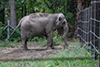
Director Penny Lane has begun work on a doc on the elephant that garnered headlines worldwide, Happy of the Bronx Zoo, in partnership with Alex Gibney’s Jigsaw Productions and New York City-based Sandbox Films.
Happy (pictured) came to the U.S. from Thailand during the Vietnam War as an infant and joined six other baby elephants at a Florida petting zoo, where each was named after one of the seven dwarfs from Disney’s Snow White. The currently untitled feature, based on an article by Pulitzer Prize-winning historian Jill Lepore, will explore the lives of all seven elephants, covering a tumultuous 50-year period marked by changing perspectives on elephant care, management, cognition and animal rights. Happy was euthanized on May 26, 2026, at the age of 55.
The elephant first became famous for passing a mirror-based self-recognition test in 2005 and was later a plaintiff in a legal case arguing that her autonomy and intelligence should warrant legal recognition as a person.
The production team is soliciting memories, photos, videos and stories from anyone who encountered Happy or the other elephants via this website.
The Cinematography In "Ocean with David Attenborough"
"Ocean with David Attenborough" director Keith Scholey breaks down the distinct cinematic look the film’s cinematographers brought to the documentary - and how their approach created a new way of experiencing the ocean on screen.
Celebrate World Ocean Day by watching this Ocean with David Attenborough full documentary special in stunning 4K. Attenborough, the world’s leading natural historian, draws on a lifetime of knowledge to reveal how Earth’s vast, interconnected waterways can be restored. This important documentary shines a light on both the beauty of the sea and the ways in which humans are depleting its riches.
Sir David Attenborough receives double National TV Awards nomination in the year he turns 100
The TV icon continues to mark an important year.
Sir David Attenborough has been nominated for two awards at this year's National Television Awards (NTAs). The star-studded event will take place on Tuesday, 8 September, at London's O2 Arena, celebrating the best of TV in 2026.
The acclaimed documentarian and presenter, who turned 100 this year, features in the Factual Entertainment category for Secret Garden, which took a deep dive into the variety of nature that can be found in British backyards.
Sir David Attenborough wins NTA aged 100: ‘Now the natural world needs us too’
‘Humanity has always needed the natural world for all the practicalities of life and for our mental wellbeing,’ said Sir David
Sir David Attenborough, aged 100, won the TV Presenter award at the 2026 National Television Awards, delivering a speech on the planet’s fragile state and urging action both globally and locally.
Sir David Attenborough highlighted the "terrible plight of our wonderful planet" in a message delivered at the National Television Awards.
The 100-year-old broadcaster, who celebrated his landmark birthday earlier this year, secured the TV presenter prize, having been shortlisted against Alison Hammond, Ant and Dec, Claudia Winkleman and Stacey Solomon.
Although Sir David was unable to attend the ceremony in person, a speech was read out on his behalf.
He said: "I hope this award is a response to the part television has played in growing recognition, not only for the terrible plight our wonderful planet is in as a result of human activity but also of the fact we now have a pressing responsibility to do what we can to protect and conserve it.
"I am honoured indeed. We are increasingly aware that if we are to repair the planet we need major national and international initiatives which certainly require our support, but it is also possible to make small differences in our own spaces and neighbourhoods.
Milk VFX served as the lead visual effects studio on Surviving Earth, the series co-produced by Universal Television Alternative Studio, a division of Universal Studio Group, and Loud Minds.
Working closely with Executive Producer Tim Haines, Production VFX Supervisor Jean-Claude Deguara, VFX Executive Producer Kate Vaisey and VFX Producer Corrie Callender, Milk collaborated with partner studios Lola Post, FIN VFX and Floating Rock to deliver the series’ visual effects.
Creative direction at Milk was led by VFX Supervisor He Sun, alongside Animation Supervisor Joe Tarrant and Assets Supervisor Harsh Borah, with Senior VFX Producer Katherine Smith overseeing production. Additional creative leadership was provided by VFX Supervisors Andrew Morley, Andy Quinn, David Sadler-Coppard and Donal Nolan, supported by VFX Producer Louisa Hoi-Tung Leung.
Blending Scientific Authenticity with Emotional Storytelling
Across a two-year collaboration, Milk completed over 1000 shots for the series. The work encompassed 73 hero creature assets and more than 100 environments, including 13 real-time environments built in Unreal to support the show’s extensive previs, virtual art department work and hybrid real-time workflows.
The biggest challenge for Milk on Surviving Earth was building a large, scientifically grounded population of prehistoric creatures. Working closely with palaeontologists, Milk developed hero species, from insects and marine life to mammals, reptiles and dinosaurs. Early paleoart concepts were turned into digital maquettes, then sculpted, rigged, textured and groomed into fully realised creatures. Fossil research, skeletal reconstruction, anatomy and modern behavioural studies shaped everything from muscle structure and gait to skin detail and subtle movement. Rigging and surfacing were designed around believable biomechanics and surface details such as scales, feathers and translucent skin. Scientific accuracy guided each stage, with animation balancing anatomical correctness and natural, expressive performance. Milk’s creature-FX system added muscle dynamics and skin sliding to improve realism.
Throughout production, Haines encouraged the VFX teams to embrace both scientific authenticity and emotional storytelling. VFX was embedded from the earliest stages, fostering a collaborative environment in which showrunners, directors, DoPs, scientists and artists worked as a unified group.
“A Gorilla Story,” “Nuisance Bear” among finalists for Jackson Wild Media Awards
Conservation-focused media organization Jackson Wild has revealed the finalists for the 2026 Jackson Wild Media Awards (JWMA), ranging from major wildlife docs and limited series to work from digital creators.
Chosen from over 500 submissions, this year’s crop of finalists were reviewed by a panel of judges from across science and media.
Among the projects to receive multiple nominations is the Netflix doc A Gorilla Story: Told by David Attenborough (pictured), the Sundance award-winnerNuisance Bear and We, The Hated, about the Just Stop Oil protest movement, which opened Sheffield DocFest earlier this year.
The 2026 awards are part of a new joint program with the Hollywood Climate Summit Awards (HCSA), extending recognition to climate storytelling across scripted, comedy, interactive and additional formats. Winners across both programs will be honored together at a joint awards ceremony in L.A. on November 10.
International Wildlife Film Festival (IWFF) Golden Jubilee
The 50th Anniversary Golden Jubilee is locked in for April 17–22, 2027 at The Roxy Theater in Missoula, Montana.
Key updates for your diaries:
• Submissions Open: Submissions officially open on October 15, 2026 , with upcoming cutoffs on November 15, 2026 (Early Bird), December 15, 2026 (Regular), and January 15, 2027 (Extended Final).
• 'Road to 50' Retrospective: Launched on September 15, 2026, showcasing monthly archival screenings at The Roxy.
• Anniversary Safari: Partnering with Rewild Safaris for an exclusive trip to Brazil's Pantanal wetlands from September 19–26, 2027 .
• 'Archive Hunt: The Memory Collection Project is hunting for missing official festival posters from 1984, 1985, 1986, and 1992
WFFR 2026 to Open with World Premiere of Wildgemis
The Wildlife Film Festival Rotterdam (WFFR) has announced that its 2026 edition will officially open on 2 November
with the world premiere of Wildgemis
(The Wild Yearning
).
Directed by Anouk Suntjes, the poignant and timely documentary follows Dutch researcher Elke Tukker as she spends years studying the lives of wild horses in the vast American wilderness..
The film transitions from a deep fascination with these free-roaming animals into an intimate exploration of the complex relationship between humanity and nature. Caught in the crossfire between passionate activists, government bodies, and local ranchers, Tukker is forced to confront painful questions about land control, ecosystem dependency, and freedom, reaching an emotional peak during a highly controversial herd round-up.
Filmed entirely solo by Suntjes—who lived out of a car alongside Tukker and her dog to capture the raw, up-close footage—the documentary challenges the modern industrial system where humans no longer view themselves as a connected part of the natural environment.
For more information on the opening selection and the full festival line-up, visit: wffr.nl
Wildscreen Festival Announces 2026 Official Selection
Wildscreen has announced its Official Selection for Wildscreen Festival 2026, comprising of 12 features and 18 shorts originating from 20 countries.
It marks the fourth year of the festival’s Official Selection, launched in 2020, to “platform original stories, authentic voices and vital messages about the natural world”.
The line-up features one world, four European and 11 UK premieres. The 30-strong selection features films with 60% of directors identifying as belonging to an underrepresented group, with almost half (45%) of the countries of filming located in the Global South.
A recurring theme throughout the selection is humanity’s changing relationship with the natural world.
“From melting glaciers and disappearing forests to human-wildlife conflict and the struggle over how land is used, the films explore the pressures that are reshaping landscapes and communities across the globe,” said organisers.
“Many look beyond conservation alone, asking how people and wildlife can coexist, whose knowledge and voices shape decisions about nature, and what can be learned from Indigenous, local and traditional ways of caring for the land.
“Amid stories of loss and environmental change, the selection also finds hope in restoration, resilience, community action, and humanity’s enduring connection to the living world.”
Notable films in the Official Selection include:
Nuisance Bear (1 x 87’): From acclaimed filmmakers Gabriela Osio Vanden and Jack Weisman and backed by A24. Expanding their celebrated short into a feature, Nuisance Bear immerses viewers in the experience of a polar bear forced to navigate tourists, wildlife officers, and hunters as climate change delays the freeze and pushes bears closer to human settlements.
A Day on Earth (1 x 88’, UK Premiere): An ambitious participatory documentary filmed on Earth Day 2025 by 76 Indigenous, Afro-descendant and local community creators across 28 countries, offering a rare and intimate glimpse into those living in harmony with nature.
Wild East (1 x 36’): From National Geographic Explorer Maia Wikler and co-produced by Wildscreen Panda Award-winning presenter Eva Zu Beck.
A Little Story About Forever (1 x 10’): Features Academy Award-nominated actor and environmental activist Mark Ruffalo and is directed by award-winning Alaskan artist and filmmaker Max Romey. It explores environmental anxiety, hope and what it means to protect the future.
I’ll Need to Leave For a Little While (1 x 6’, World Premiere): Directed by Myles Storey, 2024 Wildscreen EDGE of Nature Grantee, combines puppetry with documentary storytelling. The film features as part of the Kindred Shorts Package, a collection of family-friendly films exploring our connections with the more-than-human world and how we might pass that sense of interconnection on to the next generation.
‘Even the good guys were doing bad things’: the wild, twisted story behind the new Tiger King
Monsters of God is a jaw-dropping new series from the makers of the hit Netflix pandemic smash, exploring the murky world of exotic reptile smuggling
In 1993, a sci-fi blockbuster about an animal theme park that resurrected the dinosaurs sparked more than a flurry of interest in those long-extinct beasts. It left audiences jonesing for the next best thing: a close encounter with a bearded dragon or a ball python. Jeremy McBride, the Emmy-winning film-maker was one of them. “I wanted a pet iguana,” he said. In the wake of the Spielberg classic, reptiles have become fixtures of the modern imagination, adorning zoo exhibits, living room terrariums and every corner of pop culture while underpinning a multibillion-dollar pet trade.
But just as in Jurassic Park, the urgent danger isn’t the prehistoric creatures with the teeth and venom. It’s the people willing to steal, smuggle and kill for them. People like the Pablo Escobar of animal trafficking. “Our next documentary is going to be called Who Backstabbed Who,” jokes Eric Goode, an Emmy-nominated director. “You never know when that knife is going to go in your back because everyone’s trying to make a deal with the feds, with another reptile dealer. Even the good guys were supposedly doing bad things. It’s messy.”
Goode’s latest collaboration with McBride, Monsters of God, premiered on HBO this week, and it has all the ingredients to become another monoculture moment in the mold of Tiger King. Where Goode’s pandemic smash was a rabbit hole into the kooky subculture of private zoo owners, this five-part series, executive-produced by McBride, explores the sprawling shadow enterprise of traffickers who ransack the globe for the rarest reptiles and sell them for staggering profits. What began as a criminal ecosystem connecting smugglers, individual collectors and major institutions such as the National Zoo soon expanded to include bad actors in other illicit industries who seized on the opportunity to use reptiles as camouflage for their own operations.
Monsters of God review – a messy feud between rival reptile smugglers gets the Tiger King treatment
Director Eric Goode has found two enemies to rival Joe Exotic and Carole Baskin in his new documentary about the animal trade’s underworld
Through the fear and general miasma of the Covid pandemic, TV brought people together like never before. Among the most-watched series of 2020 was of course Tiger King, Netflix’s hit about an improbably twisty feud between a gay, polyamorous big-cat breeder and convicted felon, and the conservationist rival whom he accused of murder (more specifically, of feeding her missing husband to the tigers in her sanctuary – which she denies). It was the perfect hit for quarantine: bold and ridiculous enough to get everyone talking, and with precisely no bearing on the grief and awfulness that was all around.
What does it mean to tell your own story, in your own language, from your own land?
On August 9th, we marked the International Day of the World's Indigenous Peoples, a day to recognize not only the knowledge and resilience Indigenous Peoples carry, but the storytellers among them: the filmmakers, photographers, and communicators working to tell their communities' stories from the inside, in their own words, on their own terms.
That's why programs like the Emerging Filmmakers Mentorship Program and the Microgrants Program exist, to put cameras and resources directly into the hands of creatives working closest to the ground, so the stories being told stay theirs to tell.
This year, we invited you to listen. To a storyteller who found her mother's knowledge echoed across the Amazon. To 76 filmmakers reshaping who gets to author these stories, and how. On August 12th, we carried that same spirit into International Youth Day, turning to the young leaders shaping what comes next.
On August 10th, a severe earthquake struck western Colombia, affecting Indigenous communities in Chocó who are now in urgent need of support. We stand in solidarity with those impacted and with the organizations mobilizing resources on the ground. Learn more about how you can support those affected below.
August 13th marks International Wolf Day, and to celebrate, Disney has announced some new details on the next film from its DisneyNature studio, which will be called “Wolf”, and it will be coming to Disney+ on Earth Day, April 22nd 2027.
The film will follow a pack of wolves in the Canadian High Arctic, though unfortunately we don’t know much more than that.
However, it looks like a special short film by Jeff Wilson, called , will be making its premiere at the upcoming Venice Film Festival in September. The short follows Wildlife filmmakers in the far north of the Canadian Arctic as they share the unique experience of tracking and filming Arctic Wolves in a meditation on what responsibilities humanity has when interacting with wild animals. Hopefully, as with other DisneyNature films, these behind-the-scenes documentaries will also get a Disney+ release at the same time.
The Making of Itam: Building a Soundtrack for a Bornean Conservation Film
Nature and conservation have always been at the core of both my work and my personal philosophy. For the past decade, most of my professional life has revolved around creating sound effects libraries, travelling to remote places and recording the natural world. But when Raymond, the producer of Itam, contacted me about creating the soundtrack for the documentary he was working on, something immediately clicked.
Itam is a feature-length documentary about the conservation of the Malayan sun bear in Borneo. It brought together almost everything I care about: wildlife, conservation, the Bornean environment, immersive sound, and the opportunity to finally use my own field recordings for a real film project.
It felt like a project I was meant to take on.
Over the previous three years, I had travelled to Borneo four times, specifically collecting immersive ambiences using my Schoeps ORTF 3D surround setup. I had accumulated a huge amount of material, much of it recorded specifically with immersive formats such as cinema and surround playback in mind.
Now I had a film that could give those recordings a completely different purpose.
Nico Baumgärtel – a wildlife filmmaker and camera operator based in Berlin, Germany, with a passion for capturing authentic animal behaviour in remote and challenging environments.
He says ¨My work focuses on wildlife cinematography using long lenses, camera traps, thermal imaging, and drone operations. I enjoy spending extended periods in the field, whether working from hides, remote camps, or isolated wilderness locations, always aiming to document natural behaviour with patience and respect for the subject.
My background includes military training, advanced first aid, survival, and wildlife tracking, providing me with the skills and mindset required for demanding productions in remote areas. I am particularly comfortable in situations that require endurance, self-reliance, careful planning, and the ability to remain calm under pressure.
I have experience working with RED, ARRI, Sony, and DJI systems, as well as remote camera setups designed to capture natural behaviour with minimal disturbance. My approach to wildlife filmmaking has been strongly influenced by my mentor Oliver Goetzl, whose philosophy of patient observation and behavioural anticipation continues to shape my work today. I have also gained valuable experience through productions with GULO FILM.
Above all, I am passionate about telling authentic wildlife stories and collaborating with people who share a deep respect for nature, conservation, and high-quality natural history filmmaking.¨
WildEarth is a 24/7 LIVE TV channel reaching 7 million people globally every month, offering immersive nature experiences that benefit your well-being.
As a full member of the site, you get a listing in all appropriate sections, a profile page, access to our members' private Facebook Group and priority on your news across the site, this newsletter and our social media accounts.
Membership fees help to keep the site going too ... Your support is much needed and appreciated!
Nature Seekers Documentary Shot with Blackmagic URSA Cine 12K LF
Blackmagic Design today announced that Nature Seekers, a community based non profit organization focused on fighting the poaching of turtles, relied on the Blackmagic URSA Cine 12K LF digital film camera to capture the documentary film “Conservation Pandemic.” With most of the documentary shot at night using turtle safe red lights or under dense forest canopies, the crew relied on the camera’s low light performance and 12K resolution to film the turtles without intruding on their environment.
Founded in 1990 in response to the widespread poaching of leatherback turtles on Trinidad’s Matura Beach, Nature Seekers began as a community effort to patrol the shoreline and protect nesting females. At the time, up to 30 percent of egg bearing turtles were killed for their meat or eggs. Today, poaching has been eliminated, and Matura Beach supports the largest leatherback nesting colony in the Northwest Atlantic, with more than 100 nesting females arriving per night during the peak season from April to June.
With just 38 days of shooting, the team needed reliable gear to capture the footage during nesting periods.
Chris Packham transports viewers back billions of years in new series Evolution
Evolution, a new five-part series tells the extraordinary story of how life on Earth has changed over more than four billion years.
Using cutting-edge science and immersive visual effects, Chris Packham explores the pivotal evolutionary breakthroughs that shaped every living thing alive today.
Rather than telling a simple chronological history, each episode traces the deep evolutionary journey of one iconic modern animal, revealing how survival, chance, innovation and partnership have driven life’s astonishing diversity.
The scientific research underpinning Evolution involved collaborating more than 600 scientists worldwide, contributing expertise to the storytelling, scripts and visual effects, in addition to guidance from Series Academic Consultant Professor Peter Holland FRS and a long-standing collaboration with The Open University.
At the heart of the series are the immersive VFX sequences. The production team worked with award winning VFX producer Moonraker to transport the viewer back billions of years to meet the characters that shaped the evolution of life on Earth today.
A BBC Studios Science Unit Production with NOVA and GBH for PBS and BBC, made in partnership with the Open University.
Q&A with Chris Packham
Can you tell us what the series Evolution generally is about?
Our series about evolution is an introduction to a concept which to many people is quite impenetrable, because they believe that it happens very slowly over vast periods of time, and they may even think that it's stopped. And we are the be all and end all of it.
But it isn't. Evolution is a very dynamic and interesting process. There's a pattern. There's a mechanism, but also it involves chance. And automatically through evolution we've come up with this diverse, beautiful, fascinating collection of life that we've got at the moment.
So this is entry level science full of surprising, sparkly facts about evolution, which I hope people will be immediately texting their mates to tell them about because they're going to be so excited about it. And ultimately, I hope we will end up loving life even more than we do now, because we'll realize just how fortunate we are that this mad chain of events has given rise to everything which is currently living.
Watch Gaslit: How factory farming broke the chicken.
So, we´ve been told that British chicken is high welfare, Red Tractor-approved, and responsibly farmed.
Don’t buy it.
Over a billion chickens are slaughtered in the UK every year. Ninety percent of them are Frankenchickens: birds bred to grow so fast their bodies give out before they're six weeks old. Lameness. Heart failure. Broken bones. All before they're old enough to be called adults.
The industry knows. It just doesn't want you to.
The second instalment of our docu-series Gaslit,How factory farming broke the chicken brings together veterinarians, campaigners, industry insiders, and an undercover investigator, alongside naturalist Chris Packham, to show you exactly what's been hidden, and by whom.
And if you want to help Project Slingshot keep blowing the doors off, donate here: projectslingshot.com/donate
Big Chicken: A Fast Food Conspiracy review – Mo Gilligan ruffles feathers in battle against ultra-processed foods
The ultra-likable comedian decides to go on a chicken shop diet for 28 days, but like a gen-Z Super Size Me uncovers some dark truths behind this billion-dollar industry
‘I think you’re going to die,” says a teenager bluntly to comedian Mo Gilligan when he tells her about his plan to eat only from chicken shops for one month. Spoiler: he lives. But after 84 fried chicken meals, Gilligan is heavier, unhealthier and starting to feel depressed.
In this funny, slick and accessible Netflix documentary he takes on “Big Chicken”, the industrialised poultry farming industry. Flavouring doc-journalism with his brand of ultra-likable humour, he’s gen Z’s answer to Michael Moore or Morgan Spurlock (who pulled a similar trick 20 years ago, eating nothing but McDonald’s for one month in his 2004 documentary Super Size Me).
At the start of the film, there is no guilt in Gilligan’s pleasure walking into a chicken shop (“Bring on the wings!”). Growing up in a low-income household in London, a bucket of KFC was a family treat. He’s even done voiceover work for a Nando’s advert; “It’s just chickens, right?”. What works so well in the film is that Gilligan’s shock as he digs deeper into the industry doesn’t look manufactured for the camera. The UK rears one billion chickens a year and, in Lincolnshire, Gilligan meets animal welfare activists in balaclavas (“This is like Call of Duty. I’m scared!”). He learns about the environmental harm to rivers that chicken farming causes, and explores racist ideas around black people and fried chicken.
We’ve just released a powerful new animation to launch our campaign against catapult attacks on animals, and to ask you to add your name to our petition.
Across the country, animals including swans, ducks, gulls, pigeons and squirrels are being deliberately targeted with catapults firing stones, ball bearings and other projectiles. Those struck can suffer broken bones, blindness, internal injuries and death.
ITV to launch a new factual wildlife series "World’s Wildest Cities" next year
Coming to ITV, ITVX, STV and STV Player, this six-part series will reveal the extraordinary ways city animals not just survive but thrive in our major cities, produced by Plimsoll Productions, part of ITV Studios.
Brand new factual series "World's Wildest Cities" comes to ITV next year, taking viewers on a highly entertaining adventure across five of the world's most iconic cities to meet the remarkable wildlife that lives alongside us. Coming to ITV, ITVX, STV and STV Player, this groundbreaking six-part series will reveal the extraordinary ways city animals not just survive but thrive in our major cities, produced by BAFTA and Emmy Award-winning Plimsoll Productions, part of ITV Studios..
ITV Factual Controller, Jo Clinton Davis, said:"We're delighted to bring this unique and revolutionary wildlife series, free-to-air, on ITV next year. Working with the top class wildlife programme makers at Plimsoll Productions, the six-part series encapsulates the heart and soul of the wildlife that lives among us in our cities. World's Wildest Cities showcases the constant challenges urban animals face in these hostile environments and the ever-changing wild landscape, as more animals emigrate and make special adaptations to survive."
Mark Brownlow, Executive Producer, Plimsoll Productions, said:"We are really proud of World's Wildest Cities, our latest timely Natural History series, because right now our cities are fast becoming the new wild frontiers. Through this groundbreaking and entertaining series, we introduce the audience to a whole new cast of surprising animal characters that live right under our noses. And if we make our cities more welcoming to nature, it benefits us all."
The epic series features BAFTA- and Emmy Award-winning Mark Brownlow and Alex Rankin as Executive Producers, and award-winning Series Producer Doug Mackay-Hope. Each episode focuses on one city: Rio de Janeiro, New York, Melbourne, Singapore and London, concluding with a Behind the Scenes episode, which reveals how the series was made, and the science behind these one-of-a-kind stories. State-of-the-art cinematography captures the breathtaking dramas, unfolding love stories, and hustles for food as our wild neighbors adapt in fast-forward to life in the concrete jungle. And at a time when wild areas degrade, our cities are becoming a sanctuary for many creatures. This six-part series is produced in association with and distributed internationally by ITV Studios.
Today over half of the human population lives in cities, and we are now joined by a surprising cast of wild animals, from possums to penguins, giant monitor lizards to cheeky monkeys who, through ingenuity, bravery and cunning, are now calling our cities home. These savvy city slickers don't always play by our rules, but that's okay - they've learned how to conquer city life. New York City mice are adapting to break down inedible pizza cheese, London's urban foxes are developing shorter snouts that are better at ripping open bin bags, and are almost appearing dog-like. And in Rio de Janeiro, marmosets are altering their calls to be heard over the roar of the traffic. Animals aren't just adapting to their new, fast-paced homes - they're thriving.
HBO slates “Tiger King” filmmaker’s docuseries on exotic animal smuggling
HBO has slated the five-part documentary series Monsters of God, directed by Emmy-nominated filmmaker Eric Goode (Tiger King, Chimp Crazy), for an August 6 premiere on the cable network and on HBO Max.
The series (pictured) sees Goode once again dive into the underworld of exotic animal smuggling, populated by traffickers, collectors and the law enforcement agents on their trail.
Unfolding over decades, the series touches on a billion-dollar criminal enterprise fueled by extreme obsession over the exotic animals, prompting many to skirt both laws and environmental ethics. The docuseries also traces the evolution of the reptile trade as it grows into a secretive world of backroom deals and fanatical collectors.
The series had its world premiere at SXSW earlier this year, where it won the TV Premiere Audience Award.
"This discovery shows why exploration still matters" – Scientists film alien-esque spookfish in the wild for the first time ever
These videos feature a spookfish so alien that it seems like a sci-fi concoction, as well as thermal vents spewing life-forming materials into the depths of the Atlantic.
A team of scientists has shared mesmerizing footage from a month-long exploration into the depths of the Atlantic Ocean. Among the scenes is a transparent-headed fish so alien that it looks like something straight out of a sci-fi movie.
The species in question is the elusive barreleye fish – a type of spookfish that, until now, had never been seen photographed in the wild.
An absolute rarity of nature, it has a completely transparent, fluid-filled dome on its head protecting its eyes, which, to the layman eye, makes it seem like you’re looking at the fish’s brain.
Off the Fence lands animal-rescue doc with Moby as EP
Distributor Off the Fence (OTF) has acquired the rights to a new feature doc from Slay director Rebecca Loviconi, Crime or Rescue.
The 90-minute documentary is described in a release as a “genre fusion” as well as a “romantic true crime story” and follows radical animal activists in real time as they risk jail time to rescue animals from testing facilities and factory farms — and in this case, unexpectedly fall in love during production.
The doc features exclusive access to the open rescue in March of this year — and the legal battle that followed — when activists raided a Wisconsin beagle-breeding facility, rescuing 22 dogs and triggering 20 arrests. Weeks later, they returned with 2,000 people to free the remaining dogs, with the mass open rescue leading to the permanent closure of the facility. The story was covered in the U.S. by CNN, Wired, The Washington Post and The Guardian.
Why Wildlife Filmmakers Are Forbidden from Intervening in Nature | Wild Memoirs of a Film Crew
In this featured episode of Wild Memoirs of a Film Crew
, experience the unedited chaos of life in the field ...
In this episode the film crew and presenters reflect on heart stopping wild encounters as Katy experiences a wild hyena come up and sniff her shoulder, Karina is touched by an elephant on the bonnet of the land rover, while Craig is charged by a huge bull elephant and our stills photographer rolls down a sand bank. Katy shares her devious prank plan by making Craig eat rock rabbit droppings. An elephant lifts Craig's hat, drops it on the ground and proceeds to wee on it! Neil shares his experiences of filming wild dog hunts from his motorbike with steady camera gimbals. Karina and Craig experience a jaw dropping lion charge. The crew share some funny moments of hilarious wildlife guides and presenters of the past. A sad event plays out as Nicola and Craig are charged by an angry elephant mother as she tries to protect her dying baby.
I Became Invisible to Wildlife... A Perfect Hideout! –
Filming The Wild
Latest video from Alan Lacy ...
He says ¨For this one, I headed out along the Verde River here in Arizona to test the TIDEWE 360° see-through blind in a real wildlife filming setup. I brought the full Sony FX6 and Sigma 300-600mm rig, set up beside the river, and spent the morning seeing how well the blind actually worked once I was inside and waiting for wildlife to settle back in.¨
Natural-history programmes are kings of the televisual jungle. But are they telling the whole story?
You might say that René Araneda owes his career to a puma cub born without a tail. In 2012 the Chilean film-maker came across the bundle of tawny fluff – with its mother and sibling – in Patagonia’s Torres del Paine national park. In what was his first big commission, Animal Planet, a television channel, charged him with turning the footage into a one-hour special. He calls it “the game changer”.
More than 10 years later, Araneda, an independent film-maker, has directed and produced films, episodes and sequences for clients including Netflix, the BBC and National Geographic. He has navigated the wilds of Chile to capture footage of flamingos, blue whales and guanacos –camelids with long eyelashes that are part of the same family as llamas. And he’s stuck with pumas, filming a family in their den for Netflix’s Night on Earth series, and following several through Torres del Paine for Into the Puma Triangle. “My favourite place on Earth is Torres del Paine,” says Araneda. “It’s the place that opened my eyes and made me fight to be a wildlife film-maker. When I die I want my ashes to be scattered there.” Whether they’re filming feathers, fins or teeth in oceans, rainforests or tundras, such zeal is common among those working in this industry.
Increasingly, that enthusiasm is shared by audiences. No longer the preserve of yawn-inducing Saturday afternoon television, natural-history documentaries are more popular than ever. This shift arguably started in 2016 with the remarkable success of Planet Earth II, a big-budget BBC epic narrated by David Attenborough. Each episode amassed more than 12 million viewers in the UK and almost three million in the US. And the popularity of the genre continued in 2020 when My Octopus Teacher became an unexpected hit.
That these programmes were available to watch on Netflix is no coincidence. The evolution of the natural-history documentary industry owes much to streaming services, with Apple TV, Amazon Prime and Disney+ also releasing an ark’s worth of shows. The fact that “super-duper blue-chip” wildlife productions are in the mix of Netflix offerings rather than confined to nature broadcast and cable channels means that they are “bolted onto the zeitgeist,” says Peter Hamilton, editor and publisher of the Documentary Business newsletter. As well as opening up the genre to a younger audience, he says, the heavy promotion of premium wildlife shows by the streaming platforms means that there is generally “more awareness of natural history”. Today these shows can inspire the sort of fervour associated more with Spiderman than spiders.
The South African trailblazers seeking to change how wildlife documentaries are made
National Geographic explorers create dive lab after finding too few black film-makers telling African wildlife stories
When Pragna Parsotam-Kok and Noel Kok made a wildlife series for South African TV in 2015, they were struck by how challenging it was to access animals to film and how few other African wildlife documentary makers there were.
Their response was to set up the not-for-profit Nature Environment and Wildlife Conservation Trust (NEWF) and to host a conference for African wildlife film-makers, the first taking place in 2017.
But the following year the couple were unable to find any African underwater film-makers to speak on a panel about oceans. While searching, they also realised how many marine biologists on the continent could not swim, let alone scuba dive.
The couple organised NEWF’s first dive “lab” for film-makers and scientists in 2019. The 10 attenders were the first fellows in a now nearly 400-strong cohort, from 37 African countries and 13 more in the global south, as the Koks seek to change how wildlife documentaries are made.
“I like to joke that black African nature, environment and wildlife film-makers were rarer than most of the species scientists and conservationists were trying to protect on the continent,” said Noel Kok.
“The fact that we were excluded from telling the stories of Africa’s wildlife, for me, it just felt like they were just not authentic,” he said. “The stories were not complete.”
He would be the first to admit that as a young boy growing up in Antwerp, he had some very strong obsessions. From an early age he was infatuated with the natural world of animals and travel and later in life with film, photography and cultural anthropology. His passions would go a long way into how we view animal welfare, conservation and the environment today. Meet Armand Denis …
Armand Denis (1896-1971) was born in Brussels into a family of Flemish stock. Soon after his birth the family moved to Antwerp where his father was a judge. Armand would describe his father as “something of a puritan and a disciplinarian with a strong sense of individuality.” His mother, well aware of her son’s fascination with the natural world and travel, was very encouraging. Armand would label his childhood as “stable and happy.”
At age 3 yrs, Armand was known to breed flies and insects in a matchbox. By age 5, his collection of lizards was quite prolific. By age 7 and 8 yrs. he would travel on his own by railroad around Belgium noting wildlife, their environments and acquiring basic skills in photography. At age 17 he enrolled at Oxford as a “refugee student” (more about that later) where he studied chemistry and engineering. After World War I he took on a number of engineering jobs in France ,Belgium and the United States. As an engineer Armand invented a feedback circuit system called Automatic Volume Control (AVC) that changed the world of radio—an industry that was in its heyday. The substantial royalties he received for his AVC invention and patent transformed his life. Armand now had the financial independence to abandon his career in engineering and pursue his passions which were never far from the surface — namely the study of animals, their habitats, and their well-being through documentary filmmaking.
First stop? The island of Bali in Southeast Asia. With second -hand cameras and used equipment, he set out for the Dutch East Indies island of Bali. Originally intending to film a documentary about the Bali’s animal life, his adventure took on a life of its own. Rather than a “standard” documentary, Armand became infatuated with Balinese culture. The resulting film titled Goona Goona, used an all native cast in capturing the magic of the religious temples, ceremonies, intricate dances and inter-social customs (read: the sex life) in Balinese daily life. Goona Goona soon became an international sensation as it romanticized island life to the western world— kickstarting Bali’s first major wave of tourism.
New film on Nunavut megaproject raises concerns about caribou and the people who hunt them
While industry and government push for Grays Bay road and port, Kugluktuk hunters plead to be heard
While the federal government is considering whether to list the Grays Bay road and port as a project of national interest to be fast-tracked, some hunters close to it remain strongly against it.
A new film called Kugluktuk Harvesters on the Grays Bay Road and Port was released this week by the Kugluktuk Angoniatit Association, a hunters and trappers organization responsible for managing wildlife near where the road will be built.
The film explores how elders and hunters closest to the project feel — one of the main concerns is the effect on caribou populations and the hunters who harvest them.
The proposed road would cut through the habitat of the Dolphin and Union caribou herd.
“It’s home, it hits my heart. And if my family or generations after us lose that animal, it’s a loss, and I’m sorry we didn’t do enough sooner,” said Allen Niptanatiak, the chair of the association.
BBC Specialist Factual has commissioned Hamza’s African Birds of Prey, a one-hour special from Silverback Films.
Wildlife cameraman and presenter Hamza Yassin journeys across Kenya in search of some of Africa’s most spectacular- and most threatened – birds of prey.
Jack Bootle, Head of Commissioning, Specialist Factual, said: “Hamza has a gift for getting people excited about the natural world. His film Strictly Birds of Prey, in which he introduced us to his favourite British raptors, was a huge hit in 2023 – enthralling over seven million viewers to date. In this follow-up programme, his mission to make us fall in love with birds of prey continues – this time in Kenya.”
Yassin said: “This African Birds of Prey film was an absolute dream for me. I’ve always been passionate about birds of prey and to be able to capture these incredible animals in Kenya was a privilege and an honour. The team at Silverback were incredible and I hope everyone enjoys watching the film as much as I enjoyed making it.”
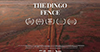
The Dingo Fence: In the heart of Australia, the continent has been cut in two by the longest fence in the world in a bid to protect livestock from dingoes.
Dingoes have divided the nation for the past 150 years, but with new research coming to light, is it time for this to change?
Director/camera: Kate Church says ¨Thank you to the NFTS for making this film possible along with the featured contributors: Phyllis Ainsworth, John Hall, Don Sallway, Simon Stretton and Gill Campbell.¨
New films highlight sustainable harvesting success stories
Nature's pharmacy often hides in plain sight. From ingredients used in traditional medicines, cosmetics and religious practices to fragrances, teas and health products found on store shelves around the world, medicinal and aromatic plants (MAPs) are woven into everyday life.
These botanical resources support global healthcare, traditional knowledge and cultural heritage, while providing essential income for the rural communities that steward them. Through collaboration among harvesters, local authorities, national authorities, scientists, and other stakeholders, MAPs can be harvested and traded legally, sustainably, and traceably, ensuring their conservation and long-term survival in the wild.
On 20 July, the Secretariat of the Convention on International Trade in Endangered Species of Wild Fauna and Flora (CITES) premiered two short films on sustainable trade in medicinal and aromatic plants (MAPs), filmed and produced by TRAFFIC in partnership with CITES, at an event held at the 28th meeting of the CITES Plants Committee (PC28) in Geneva, Switzerland.
Kevin Bacon Wants You To Swap Meat For Beans One Day Per Week
Award-winning actor Kevin Bacon is backing Humane World for Animals' new meat-free "Beansday"
Kevin Bacon has suggested swapping meat for beans on a Wednesday to improve your health, harm fewer animals, and protect the planet.
In a playful PSA for Humane World for Animals, the actor joked about changing his name to “Kevin Bean” in recognition of “Beansday.”
Humane World for Animals launched Beansday earlier this week as a Meat Free Monday-style way for people to reduce their consumption of animal products.
“You know me as Kevin Bacon, but on Wednesdays I’m Kevin Bean. Because Wednesday is Beansday, the day we swap meat for beans. They’re packed with protein and fibre, they keep you full longer, you save money and animals; they’re just beans until you realise how many animals they spare,” Bacon said in the PSA. “Observing Beans Day is a small step that makes a big difference. Take it from me, Kevin Bean.”
The world’s first octopus farm has been scrapped after animal protection groups, including Plant Based Treaty and Animal Save Movement, formed a coalition to take on multinational company Nueva Pescanova, who wanted to open the first commercial octopus farm at the Port of Las Palmas, Gran Canaria, last year.
However, the Port Authority has confirmed that the plans have been dropped.
Demand for octopus meat is increasing globally, with the number of octopuses caught in the wild doubling between 1980 and 2014. To meet the demand, Pescanova tried to open the world’s first octopus factory farm, with plans to ‘produce 3,000 tons of octopus meat a year.'
Octopuses are solitary, highly intelligent animals that suffer significantly in crowded, barren industrial tanks. Farming carnivorous species requires feeding them massive amounts of wild-caught fish, worsening marine ecosystem depletion.
Behind greyhound racing lies a story most people never see — one of suffering, secrecy, and systemic neglect.
The Secret Lives of Greyhounds is an investigative documentary exploring the lives of greyhounds bred and raced, exposing a pipeline of exploitation at the heart of an industry now facing worldwide condemnation.
Featuring exclusive undercover footage and expert testimony, the film challenges the legitimacy of greyhound racing and asks whether its future can be justified at all.
‘The Sheep Detectives’: New Hugh Jackman Film Has An Animal Rights Message
The Sheep Detectives' has been compared to classic family films that center animals like 'Babe' and 'Watership Down'
Hugh Jackman’s new movie, The Sheep Detectives, has an animal rights message.
The family film had its UK cinema release in May. It has received overwhelmingly positive reviews from movie-goers and critics alike, made a significant impact at the box office, and has even prompted some viewers to stop eating meat.
The Sheep Detectives is about a vegetarian farmer (Jackman) who reads detective novels to his flock of sheep every night. When a sudden and mysterious incident interrupts life on the farm, the sheep take on the role of detectives to investigate neighbors, follow clues, and attempt to solve the mystery themselves.
While Jackman’s character is a wool farmer (learn more about the reality of the wool industry here), the film depicts his relationship with his sheep as positive and caring. In fiction, the farmer rescued one of his rams from a carnival where he was made to fight dogs, and one of his neighbors, a butcher, dislikes his meat-free lifestyle..
Exciting news from Viva! - Hogwood Farm is FINALLY closing.
Planning documents reveal that Hogwood’s intensive pig operation will shut down for good in September 2026, with the farm’s own planning statement explicitly citing Viva!’s investigations and relentless public pressure as a core reason the business became unviable.
The owner tried to sell to three major industry suppliers, including Cranswick. None of them would touch it. And with that, the countdown to the closure begins.
Viva! Marks World Milk Day by Announcing Major Dairy Documentary
Vegan campaigning charity Viva! kicks off a major crowdfunding campaign to fund What Do You Really Know About Dairy?, the UK’s first documentary challenging decades of dairy industry spin.
Leading vegan campaigning organisation Viva! has today launched a major crowdfunding campaign aiming to raise £25,000 from the public and will soon be unlocking a further £25,000 in match funding to produce what it says will be the UK’s first documentary dedicated entirely to exposing the dairy industry.
The campaign launches on World Milk Day to challenge the narrative promoted by the dairy lobby on one of its most prominent dates in the calendar.
The film, titled What Do You Really Know About Dairy?, will bring together undercover investigations, expert interviews and scientific evidence to examine what Viva! describes as the hidden reality of modern dairy farming – and the decades of marketing that have shielded it from public scrutiny.
For generations, consumers have been told that dairy is natural, healthy and necessary. These messages are reinforced through advertising, school curricula, government guidance and the industry itself. Viva! contends that this carefully constructed image conceals a far more troubling reality: cows repeatedly impregnated to sustain milk production, calves separated from their mothers shortly after birth and health claims that are, the charity argues, increasingly at odds with the scientific evidence.
Official Trailer: What Do You Really Know About Dairy?
After months of investigations, filming and countless hours of work, Viva! areincredibly proud to share the official trailer for What Do You Really Know About Dairy?
The film the dairy industry doesn't want you to see.
You’ve been deceived about dairy your entire life.
Viva! have created the UK’s first documentary exposing the cruelty, health myths and industry spin behind one of Britain’s most heavily promoted foods.
Every donation from this point onwards will help fund advertising, cinema promotion, streaming distribution, public screenings and media outreach, giving this documentary the audience it deserves and exposing the truth behind dairy to as many people as possible.
In 2022, KFC walked YouTuber Niko Omilana into a shed in Lincolnshire and called it transparency. The chickens were fifteen days old, small enough to look cute on camera. A masterclass in welfare-washing.
Slingshot co-founder Matthew Glover went back to the same farm, at the age the birds are actually killed, and filmed what KFC hadn't shown Niko. The Guardian ran the story. KFC's supplier, Moy Park, said everything was fine.
Now we've been back a third time. Nothing had changed except the security. There were more locks, more cameras, and a great deal more effort to keep anyone from seeing inside. We couldn't get in, so we visited another KFC supplier, Avara Foods, and found the same filth, and the same birds too heavy to stand.
Around 90% of the 1.1 billion chickens raised in Britain every year live and die like this. And these farms don't just supply KFC, they supply every major supermarket, plus McDonald's and Pret.
The industry can't lock down every farm. But it's counting on the story fading.
Our plan: keep showing up, keep getting in, keep filming what they hide.
You can be the reason it works. Subscribe to our YouTube channel, hit the bell, and share our investigation with someone who deserves the truth about KFC.
Animal activist Hayden Panettiere filmed PETA ad ‘weeks’ before her tragic death: See the campaign
One of Hayden Panettiere’s final acts was a selfless one, standing up for animals in an ad filmed “weeks” before her tragic death.
The campaign for People for the Ethical Treatment of Animals (PETA) features the “Nashville” actress stripped down and laying in a bathtub as she advocates against dolphins and whales being kept “in tiny tanks at marine amusement parks.”
“Imagine spending your entire life in a bathtub,” she says, comparing what the aquatic mammals must feel like in captivity not free to swim in their “ocean homes” where they’re “free to be with family and other pod members.”
“We can end this. You and me,” she pleads with the viewers. “Can you imagine their frustration, their trauma, their depression? All that’s important and crucial for their well-being is ripped away.”
The ad ends with Panettiere asking those watching to “vow today never to go to a marine park” that keeps these animals in “extreme captivity,” adding, “Together, we can end this cruelty. Thank you.”
Someone wins the Chicken Quiz Nugget. But nobody wins, really.
Jon Richardson, Sara Pascoe, and Kerry Godliman walked into a quiz show. What they didn't know was that every question was about the chicken industry, and they very much wish they hadn't asked.
Directed by Simon Amstell. Hosted by Sam Campbell. It's funny, then it's not. But you can't unknow it. Which is rather the point.
90% of chickens reared in the UK are fast-growing Frankenchickens. They are bred to pile on so much weight, so fast, that their legs give out and their hearts pack in before they're six weeks old.
That's not the plot of the show. That's what's left off the label.
Pablo Behrens is a London-based film director and producer.
His latest film ¨London´s Last Wilderness¨ is about the ecology of a fantastic region close to London.
London’s Last Wilderness is the visual experience of an explorer landing on an undiscovered planet.
Every shot in the film was captured using truthful documentary techniques—no retakes, no setups. What you see happened once, and only once.
Like the first Europeans in the Amazon or astronauts orbiting the moon, there was no time for rehearsals or scripted reflections. The camera moved with the explorer—fast, focused, in the moment.
A mere 30 miles crow's flight from Piccadilly Circus lies a place London largely ignores: the Greater Thames Estuary. It's an ecological and cosmological force hiding in plain sight.
One of its secrets is scale. The estuary rivals London in size. To truly cover it, you need years — exploring north and south banks. From land, sea and sky.
Beyond the coast lies a maze of creeks and shifting islands, shaped by rivers and tides that change everything, twice a day. Half the terrain vanishes and reappears with the North Sea. No two days are the same. No tide repeats.
To be honest with this place, you have to film it all. Across four seasons, in all weather, under every tidal condition. Nothing could be skipped. Nothing faked.
The film has no presenters. This is not exactly a human story.
Lazarus Training – First aid, medical & safety training based in Essex & London.
Lazarus Training specialises in delivering
realistic, scenario-based first aid and safety
training designed for the unique challenges of
the media and production industry. We offer
tailor-made courses to meet your specific
operational needs, whether on location or in a
studio setting. Training can be arranged in
country or on location.
Our training uses professional casualty actors
and real-life scenarios to create immersive,true-to-life experiences, preparing your team to
respond effectively in high-pressure situations.
With a highly experienced training team drawn
from medical, armed forces, and emergency
services backgrounds, we bring unrivalled
expertise, practicality, and realism to every
session—ensuring your crew is ready for
anything.
First Aid on Remote Locations is designed for production teams working away from the office or studio. Whether filming or recording, this course is aimed at groups who will experience a delay in accessing medical care for a colleague injured or taken ill.
Specialist Medical Training for Media Production Teams
When Your Crew is Hours from Help, Preparation is Everything
Filming overseas?
Working in remote deserts, dense jungles, icy mountains, or distant villages?
When you’re out of range of immediate medical support, knowing how to respond in the first minutes after an injury can save lives — and save your production.
Lazarus Training’s First Aid in Remote Locations course is explicitly designed for media production companies operating in areas with limited access to hospitals or rescue services.
This isn’t generic first aid — it’s tailored by professionals, for professionals who face real risk in remote environments.
As a full member of the site, you get a listing in all appropriate sections, a profile page and priority on your news across the site, this newsletter and our social media accounts.
Membership fees help to keep the site going too ... Your support is much-needed! Hoping to relaunch the site this year ... Updated for the new decade ... Will be looking for help from all over the world!!
Since the late 1990s Wildlife-film.com has been the leading source of information for the wildlife filmmaking industry worldwide. For over twenty five years the site has been Google's number one ranking site for 'wildlife film' and related searches. Our site is viewed in over 195 countries. Our newsletter, Wildlife Film News, is read every month by thousands of people involved in wildlife filmmaking - from broadcasters and producers, to cameramen - we encourage readers to submit their news. We also serve as an online resource for industry professionals and services. Find producers, editors, presenters and more in our Freelancer section, and find out about festivals, training and conservation in Organisations. We encourage amateur and professional freelancers to join our network and welcome all wildlife-film related organisations to join our team.